
Safe Harbour

In a time of the unhoused when so many have no home other than the street, a park or a frail tent, I find myself in Australia’s largest and richest city - looking as always for the left behind places, the seldom seen, half forgotten interstices of our over constructed world where unexpected things can still be found in the unplanned unprogrammed gaps which sometimes fall between.
Just across Sydney Harbour from this:


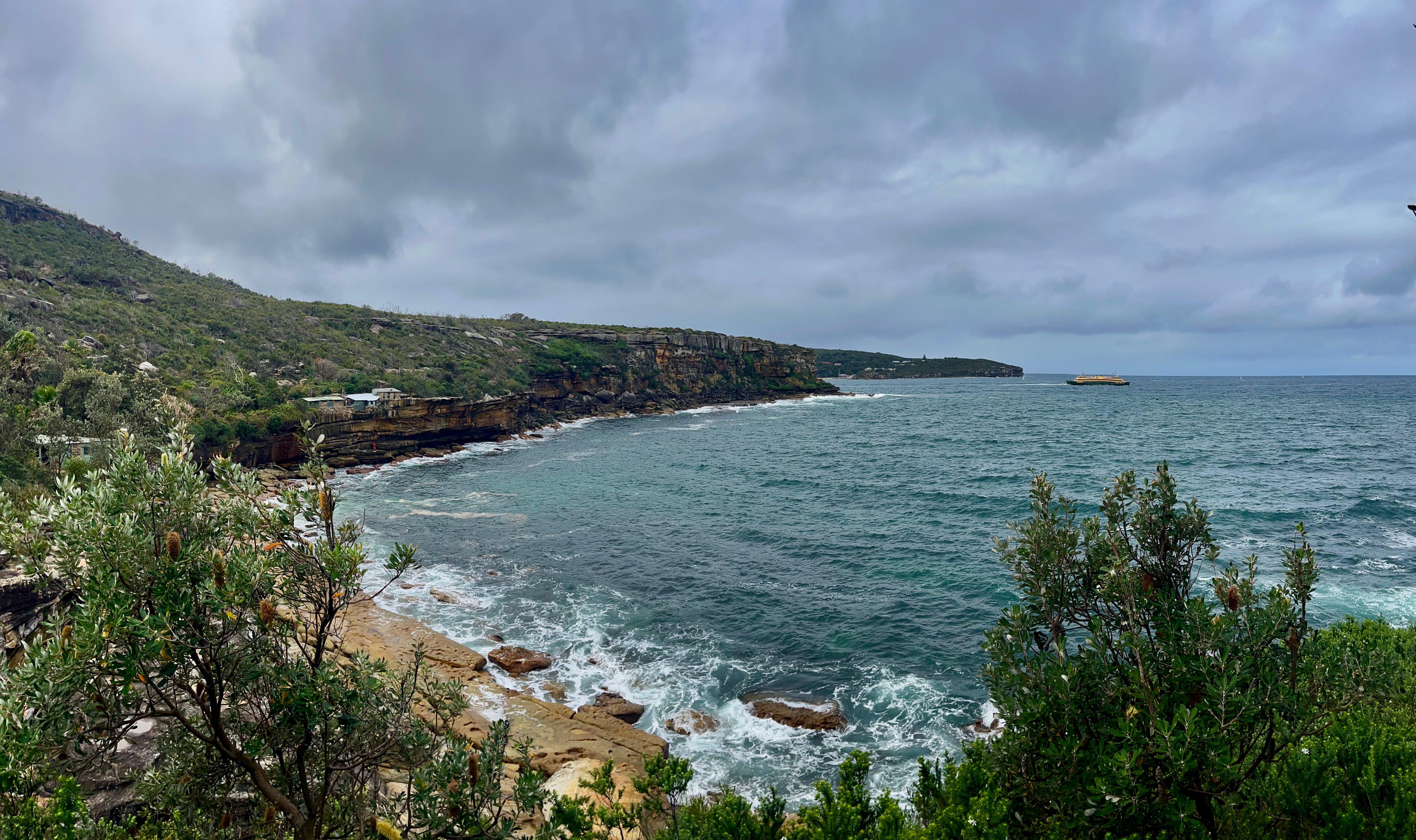
There is this:
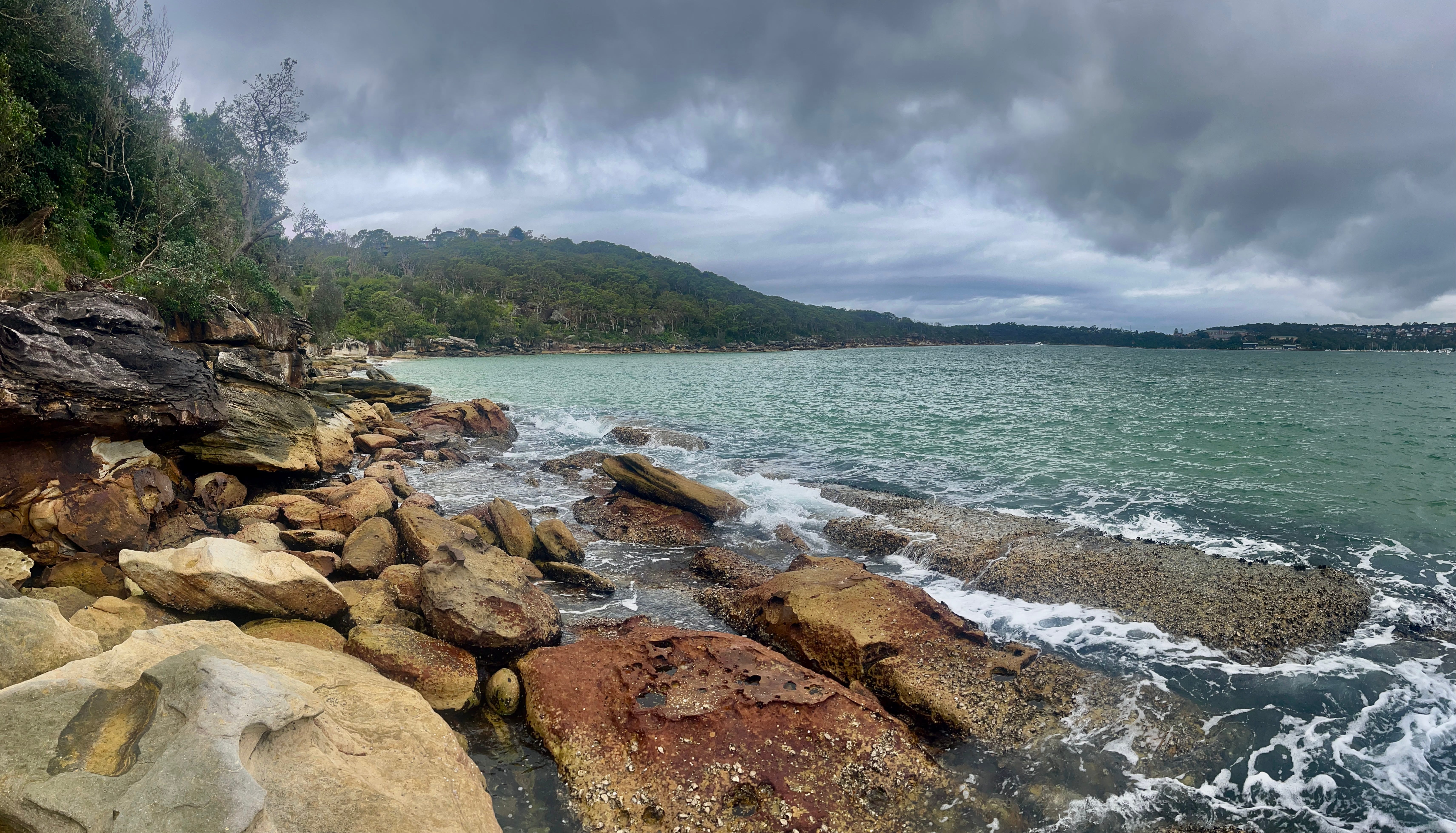
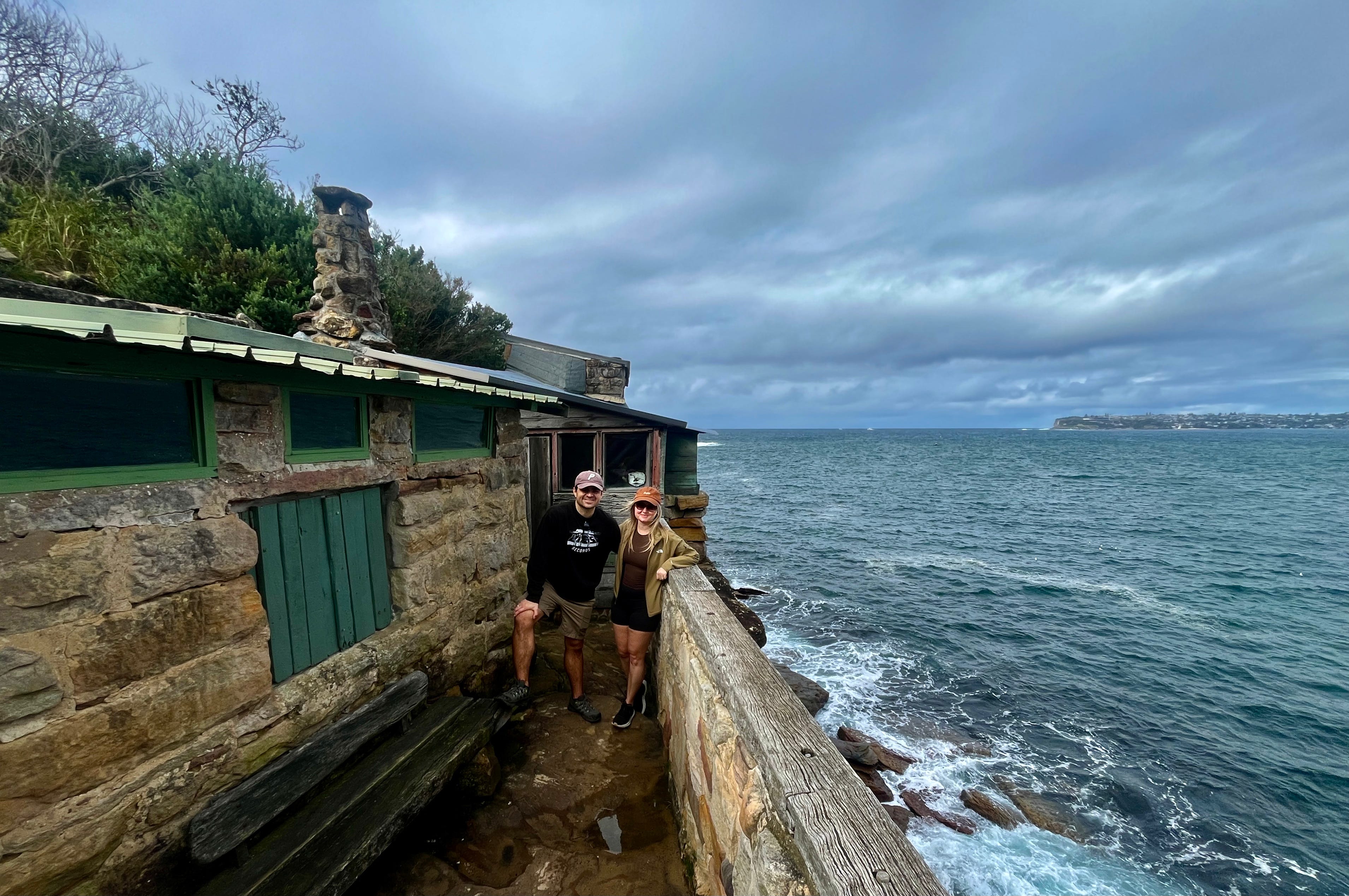
A sliver of shoreline where the land of the Eora people may still be found almost as it once was, and where you can walk - as I did yesterday with my wonderful Daughter and Son in Law - immersed in the liquid delight of the natural world whilst still in the midst of a now vast city.
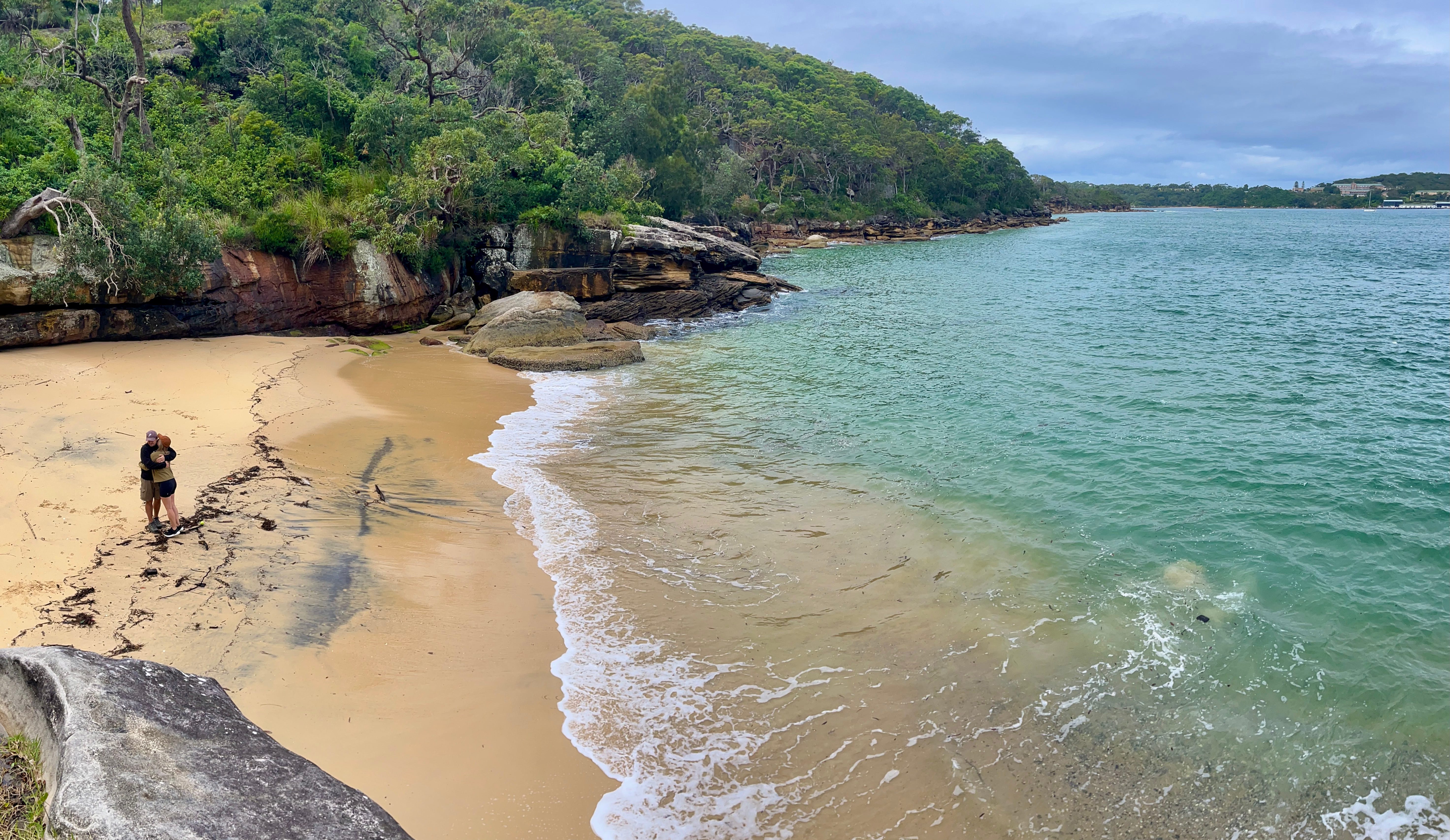
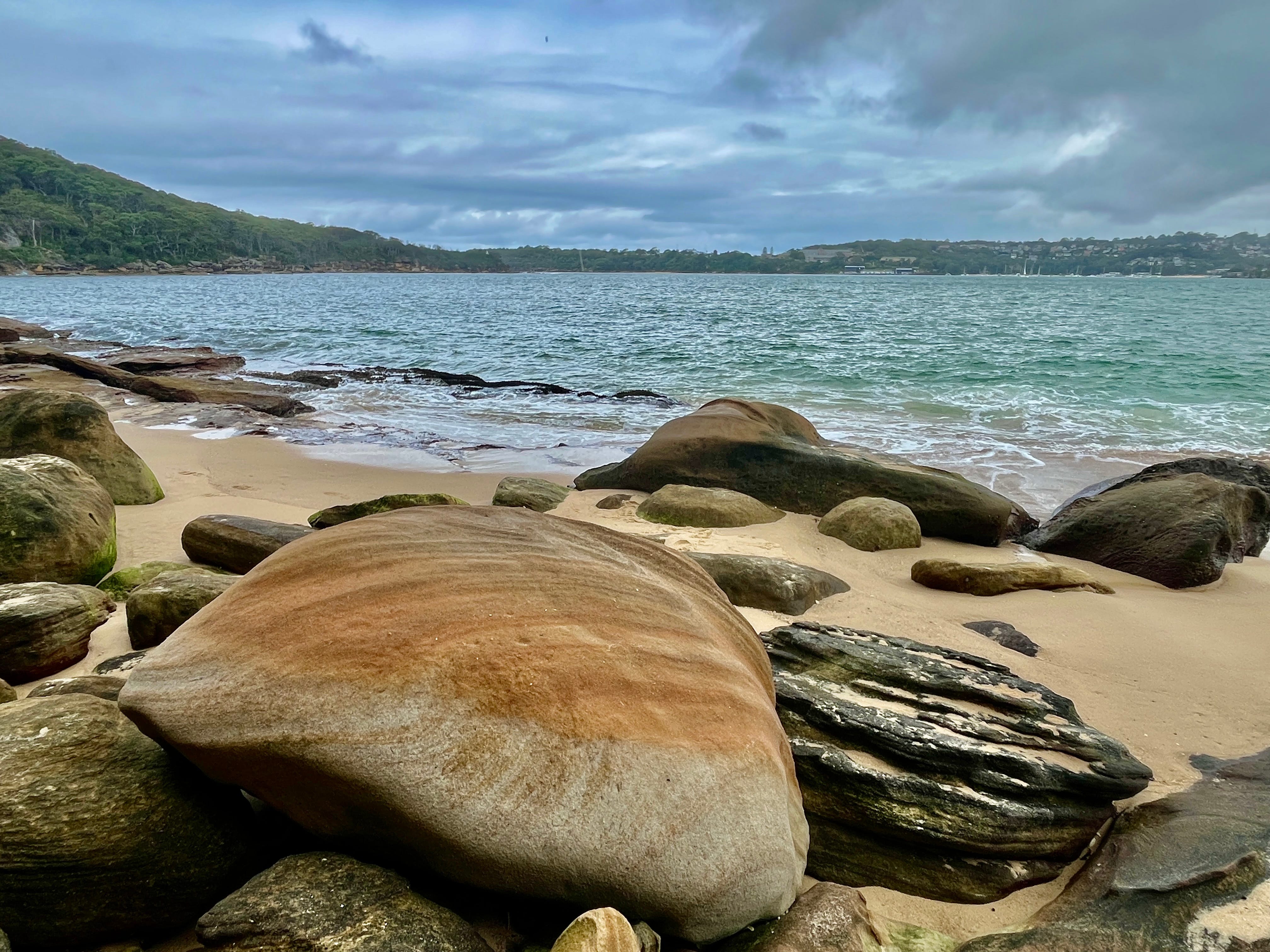
And on a wild stretch of windblown cliff above the water, a cluster of old and hand made huts adheres to the stone and blends with the forest as if they have grown there.
Like all the best things - you just have to know where to look…
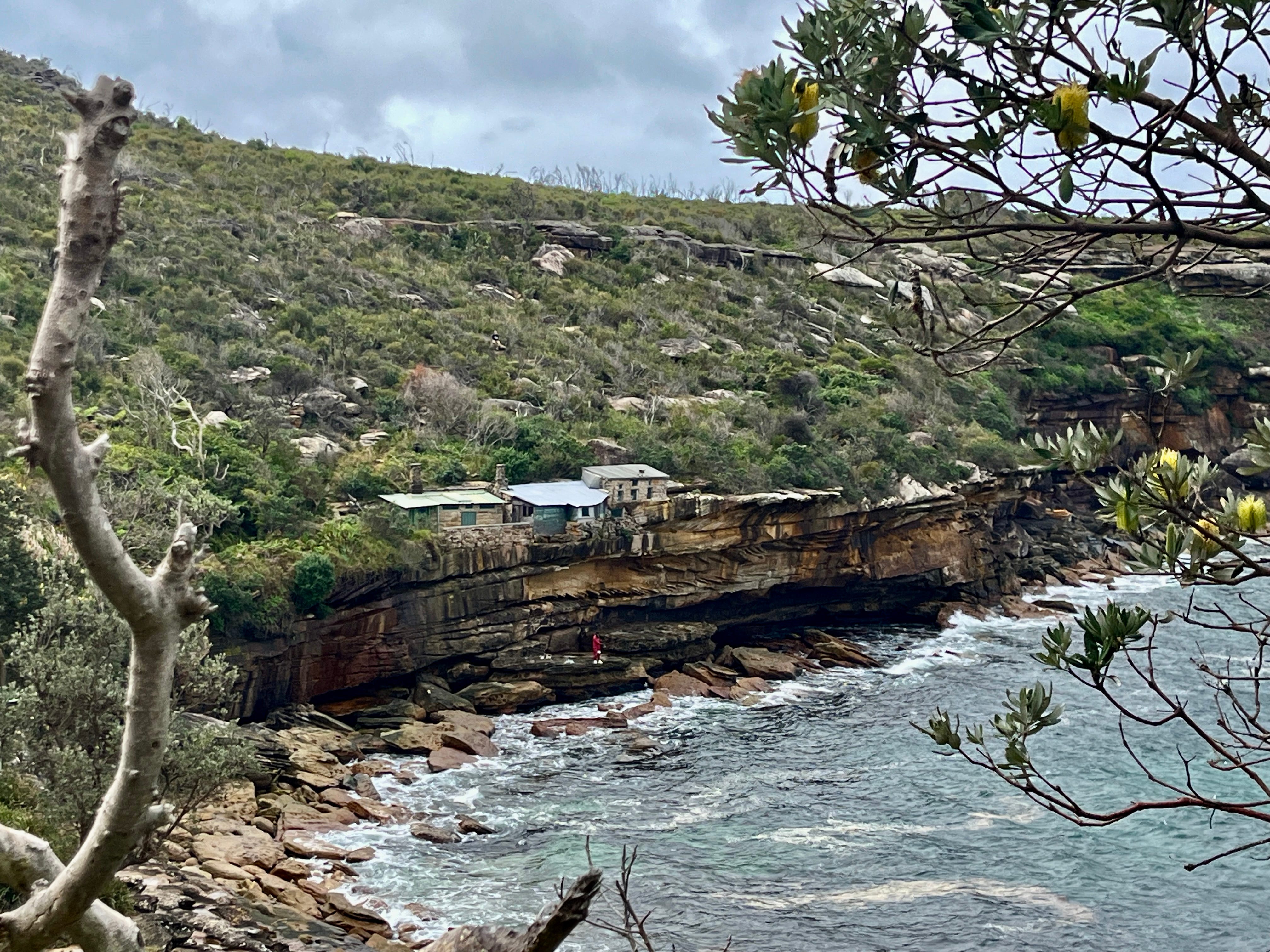
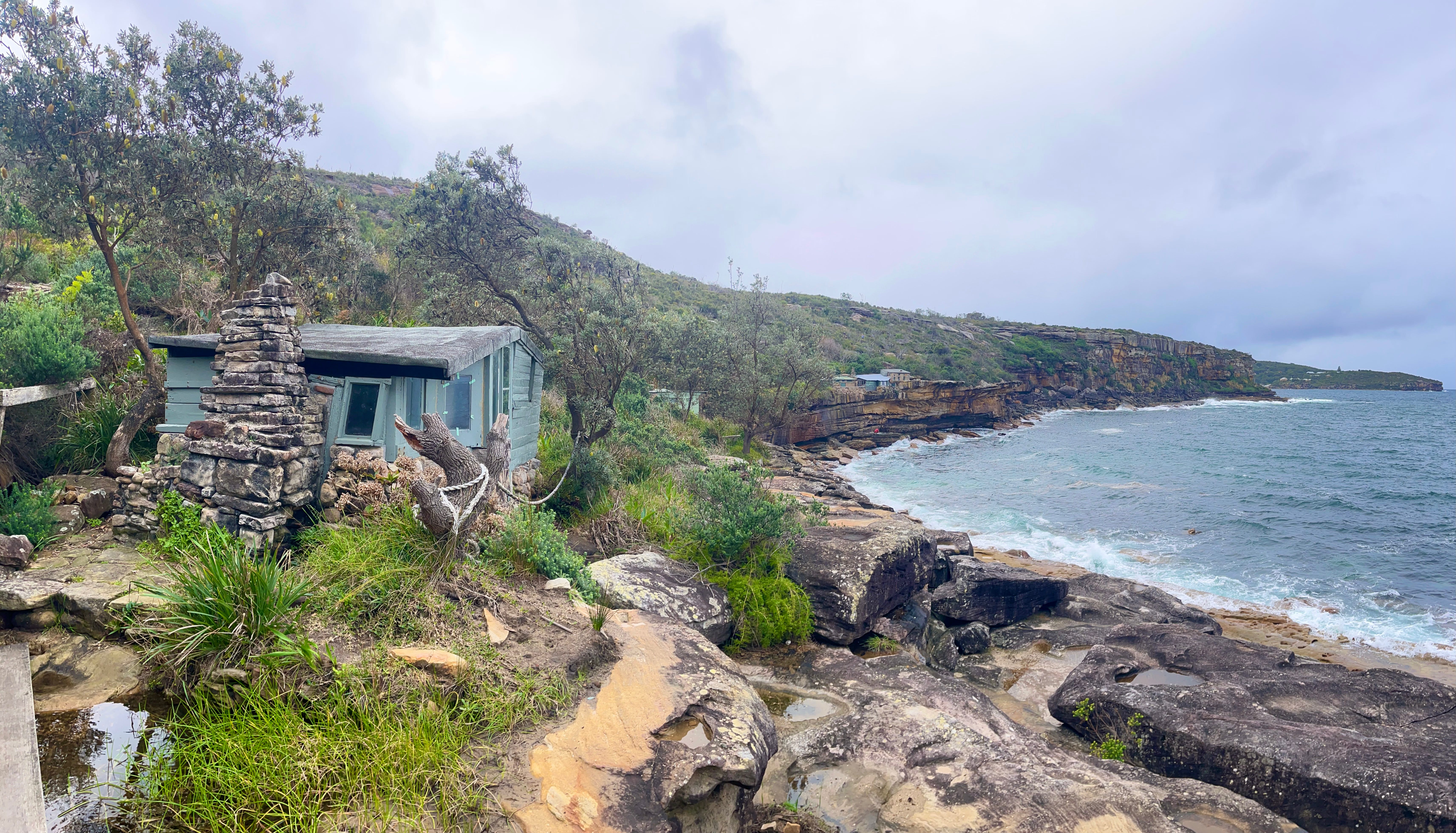
They were built a century ago by men returned from the bloody madness of World War 1, coming back to the far side of the world and a life where all that death had no context, no sensible meaning and no place where it could be put.
The term “post traumatic stress disorder” would be invented 60 years in their future when most of them would be gone, but they had to live with their memories in their now, and these simple shacks were a refuge.
The wind and the waves and the rain and the sun, and the bright fish pulled from the water and the oysters levered from the rocks, and the flame of a fire on a cold Winter night - what other healers could they want?
Others came. Some moved on. The huts were an unofficial unacknowledged addition to the city for decade after decade - through the Great Depression, when whole families lived there, through another World War, and far on beyond - eventually attracting artists and others seeking an alternative life in a nation that looked the other way.
In 1984 the world caught up with them. The remaining unspoiled lands around the harbour became a National Park and in 1984 the last residents of Crater Cove were evicted, but the huts were retained, and are now cared for by volunteers - some of them descendants of the first builders.


The rough track has no signpost, and the huts are not advertised, but they can be found easily enough by those who want to find them. Yesterday it was us, and a few other people too - all respectful and careful I’m pleased to say.
But back in the city today the unhoused are more numerous than ever - foam pads, bags and clothing squashed in the alcoves of fire escapes; men and women of every age and every shade of desperation huddled where they can. Winter is coming, and although our Winter is less savage than most it is still cold and wet and shelter and safety are hard to find; compassion and love, harder still.
The simple hand made refuges of an earlier time are now historical artefacts, to be preserved and cherished, while the unhoused of today are mostly ignored or, if unlucky, forced to move on - dispossessed of the last possessions they have bar one…
So why is this happening, again, in one of the wealthiest nations the world has ever seen? How can we be spending at least 368 billion dollars on nuclear powered submarines over the next 30 years and yet just $1.8 billion per year on social housing and homelessness?
The homeless of today cannot live in hand made shacks dotted around public lands in our cities. They are barely surviving in doorways and parks and underpasses, and some are indeed dying there - needlessly - but the resources do exist to provide something better.
We know what is required, and we have the ability to provide it.
All we need is the will.
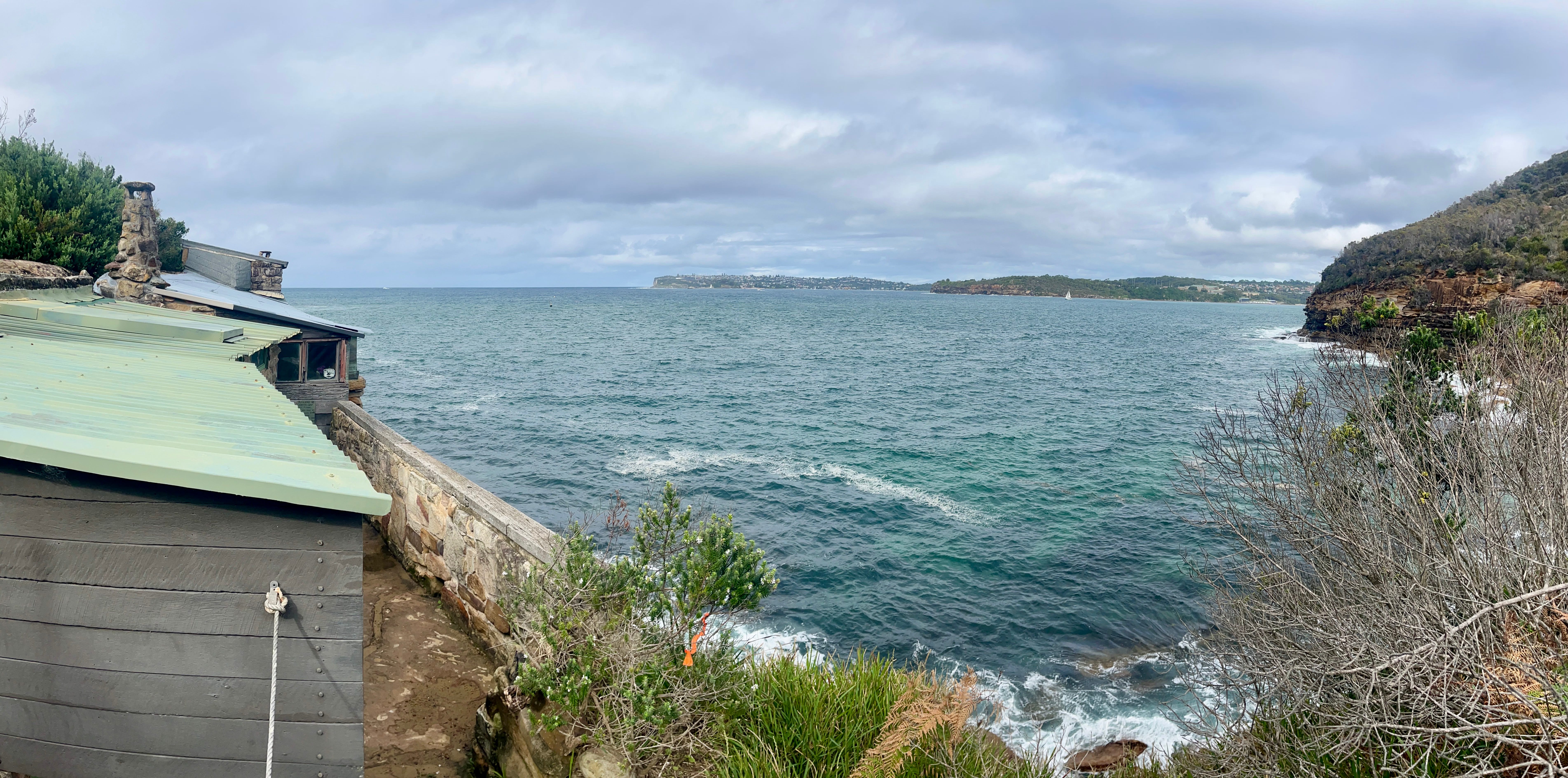
Surely we can offer safe harbour…
Note:
All photos are mine.
I started off intending to write something purely creative about the Crater Cove huts, and maybe I will get to that too, but the issue of housing is urgent, immediate and escalating.
Some of my friends in other nations - the USA for example - have already commented on the same problem. I was shocked, myself, on my first visit to America to see the extent of homelessness there, but now I see my own country heading the same way. It is worth noting that accommodation was found for most unhoused people here - during the Covid-19 pandemic - because suddenly it was seen as a health problem, which threatened all of us.
The vast resources wasted world wide on armaments, destruction and death far exceed what would be required to end poverty, hunger and homelessness across the planet, for all peoples, and with money left over to address climate change.
The only real enemy is our own ignorance.
Thank you for sharing these Dave. I suspect the patriarchy and capitalism have much to do with war and greed. I would love to see the end to both before my time is up in this life.
Where I live, people were up in arms over housing refugees shouting about 'our own homeless'. Funny how these same people hadn't given a damn about the homeless ever. And of course continue to remain silent.
This is an amazing piece, David and a reminder to look closer.