
Dry Times
A journey to the West

For my 100th Post on Substack I invite you on a journey - described in the 15 poems which follow this introduction.
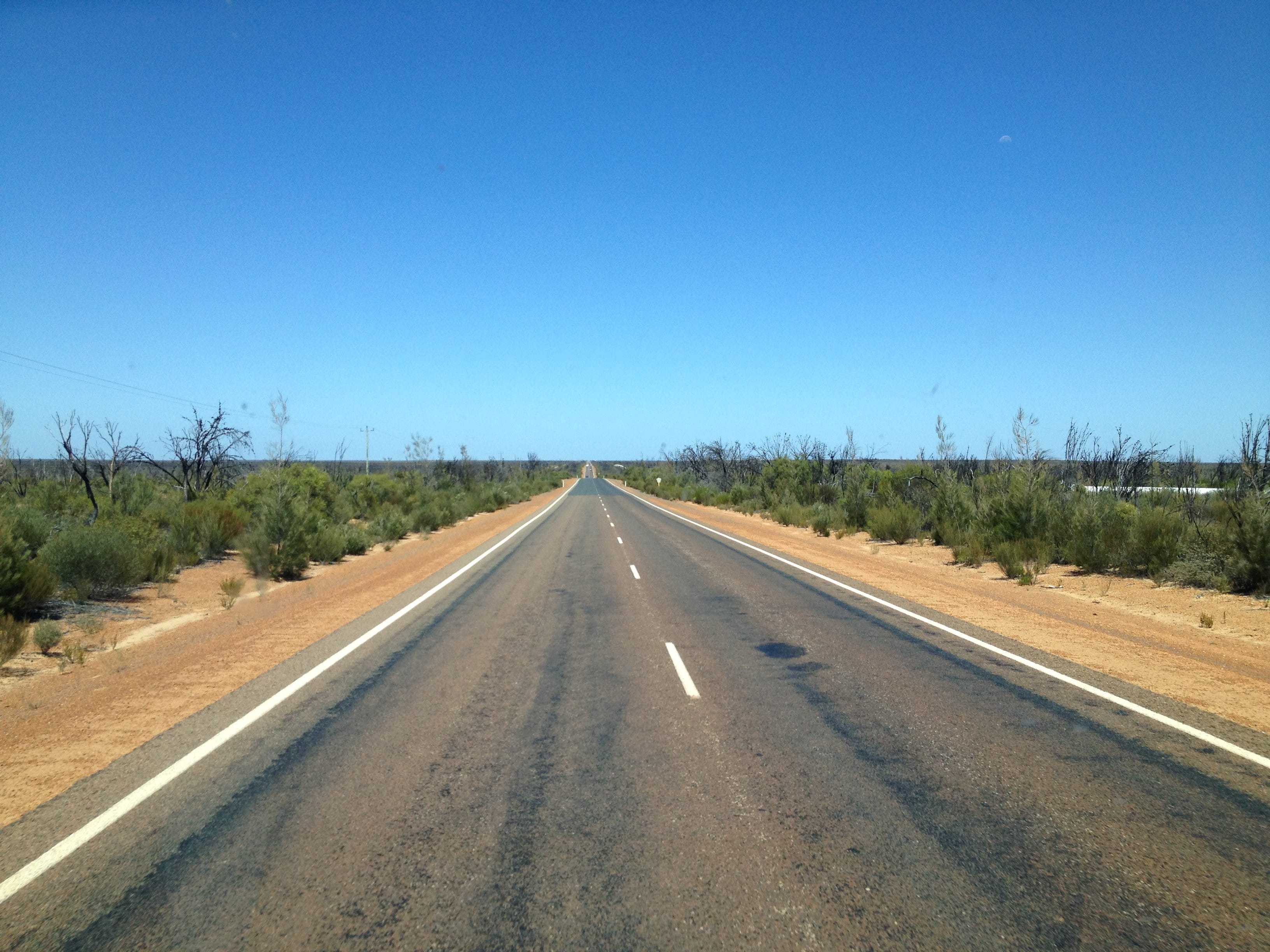
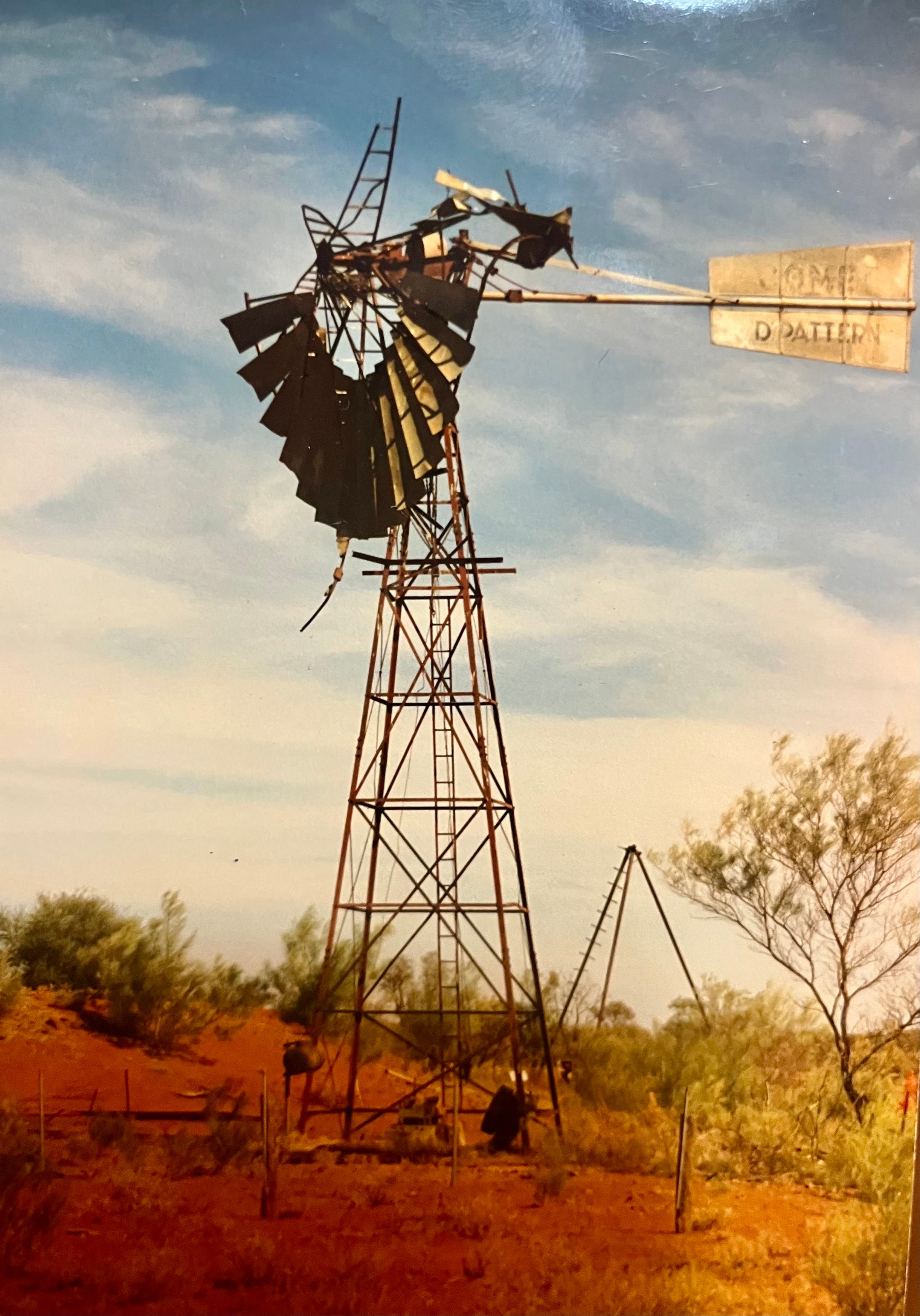
I also request that you use your imagination because my photos of this journey may still exist somewhere but - if so - that somewhere is currently lost to me. So I have set the scene with an abandoned derelict windmill I found long ago and with a photo I did take while driving West, into our vast Australian interior, on another journey.
Beyond that you will have to read my words and use your mind and let the poem take you there alone, as good poetry - which I hope this is - is meant to do.
I can however give a brief initial explanation. Think of it as a sketch map, or the bare white bones of a long dead kangaroo, bleached in the Australian Summer sun….
I was driving West in the Summer, across a land long locked in a punishing drought, headed for an abandoned sheep station - what in some countries might be called a “ranch.” Willandra Station, on the banks of a seasonal river, is a vast tract of flat savannah type grass and woodland - ancestral home of the Ngiyampaa-Ngemba language group of the Wiradjuri Aboriginal First Nation people.
The land had been taken from them by force, as Europeans spread across the plains in the 19th century - creating enormous sheep farms to grow the wool which became Australia’s major source of export wealth. However the climate is dry and variable and when the inevitable droughts came the sheep destroyed what grass remained and fouled the waterholes. Deep wells were dug for artesian water but, eventually, Willandra Station failed.
It is now within a National Park and the land is recovering - slowly. The old homestead, the shearing sheds and the wells and windmills remain, kept as historical artefacts which embody the gruelling toil of the station hands. The shearers and farm labourers are long gone but the Wiradjuri people are still here, and now they help nurture the land back to health.
My visit though was in another searing drought year. I was there as a guest of the Western NSW Writer’s Centre - for a week as a writer in residence.
There was a group of us. The others stayed in the old homestead but I have a more solitary soul. I wanted to listen to the land, so I pitched a simple one Poet tent about a kilometre away, under the River Cooba trees down by one of the few remaining waterholes of the rapidly drying river.
Away from the water the thin grass of the wide plains was brown and desiccated and almost eaten down to the roots by the starving kangaroos. Though desert adapted they are not indestructible, and in dry times only the strong will live. In the daytime, the survivors lay listlessly in the heat in the sparse shade of the trees around the homestead where a little patch of green still grew, watered by a sprinkler, locked behind a fence.
I watched, I listened, I absorbed the flinty scent of the dry earth.
I sat in the dust with the dying kangaroos, and this is what I wrote.
(Note: some of this is concrete/shaped poetry. It is best read on a large screen, not on a mobile; poem 10 in particular).
I
was
driving
west like the sun
with a force of energy so strong
I thought it might rupture that blue membrane of sky
and I wondered if that would take me into or out of this land
or if the land itself would go on as it always has regardless of how we feel
or if the car would just stand still and the world rotate beneath it, spinning the wheels.


                 *	*	*


                     As
            if 		I
       was		         really
          going 	       some
                   where


                 *	*	*


Easing into  that fullness and understanding my  yearning for what lies out there
where the roads are independent of anything we think we might know
and the landscapes are curled at the edges like unrolled maps
left outside in the dew then dried in the midday sun
till the colours have run and died
and the earth sighs
like you
and
I

                 *	*	*


Or maybe it was nothing like this and all I did was
sit in a car while the radio played and the kilometres
ticked by like the minutes of the day and I ate bad food
and read the signs for something to do while my mind
wandered the way the long white line never would or
could trapped as it is in the middle of the road as my
thoughts were trapped in the ribbon of time slowly
unspooling from morning to night linking one place
with  the other  one life with  another.


*	*	*


However it happened
I ended up here,
where the long plain
of Willandra
with all its crowd
of straggly
dried out bushes
and chewed up
stubs of grass
butts up against the creek
and the fringing line of
river cooba and  black box
linked arm in arm against the crush
like police at a football match.


*	*	*

and here is the homestead -
horseshoe shaped, hollowed out
like an old log by white ants
with its nest of rooms chambered,
partitioned into portions of space
surrounded by verandahs –
more places to sit and watch
the wider space outside
where the patch of ragged green
wilts beneath the watering
as if in protest at growing like this
when everything else is drying out
and tightening up in the wind
which blows all day and desiccates
things here - the earth, the air, my face.


*	*	*

and there are the kangaroos
tricked into breeding
by water which never runs out
in this land of bores and weirs
till their numbers swell and the rains fail
and the grass on the plains is eaten away
till only the earth remains showing
 shallow grooves in the dust
where their tails drag because they
must not move too fast in this sun
conserving what strength they have
harbouring moisture in thin flesh
sinews on bones which need to rest
but must keep going slowly, patiently,
searching for food in this bare land
where the creek still flows like a
strange promise in the midst
of dry clay, pale sand, harbouring
water to drink but nothing to eat
except the thin green reeds in
rustling beds where the kangaroos
wade each morning to gnaw the shoots
sprung from roots sunk deep in mud
and each day fewer come
to eat their fill of this poor food
and those who can’t huddle on the bank
with glazed eyes, dusty coats and sides
which heave with the effort of breathing
the struggle of living until that too is done
and all that is left is to lie, still.

*	*	*

in the afternoon
a dead one
near the homestead
dust smelling as I
haul it over my shoulder
surprised at the weight of
such a thin thing.

out in the scrub
down by the creek but
back from the water
I lay it under a tree,
carefully,
wondering how long
till the flies come.

back at the homestead
the rest of the mob
pause when I return
looking up from their
poor grazing.
I tell myself their glance
can mean nothing.

*	*	*

Out in the shearing shed comes the wind
fluffing the dust encrusted wool which clings
to the old wire, the cypress pine boards of the floor
and the wool press patented when this shed was new.
Lanolin is the smell, lining the walls and coating the air
with the memory of the ewes crowding the pens
and the men cursing them even as they work out their earnings
from another day of back bending hauling struggling animals
one by complaining one beneath the comb revealing
clean white wool beneath the dull fleece, new and fresh
and peeling it back like some strange birth till the sheep comes free
tumbling back down the chute and out to the brown waiting earth.


*	*	*

   								                                                                      water
										                                                       tank
										                                                          a
					                              shed for                   shearers                    n
out there on the plain there is only the  shearing   and the  quarters,   a single   d    not much else ….


*	*	*

But underneath

this well,
hand dug
forty metres deep
one hundred
and thirty feet
ditched down
into the ground
the clay and the sand
and a depth of land
without bones -
no rock or stone
to give substance.
Nothing to hold
the shape of a hole
but the bare boards
hand cut and
hammered into place
as the shaft
heads down
in search of water –
the width of
one man bent over
just wide enough
for the digging
and the wondering
if the walls
will hold
or just
fold down
around him
like they sometimes do
leaving no need
for a decent burial.
Darker down there,
further below the plain
than any tree above it,
deep where roots would go
if any were to grow here
and finally water –
a thin seep of moisture
hidden beneath
this thick
dark skin.


*	*	*


I have camped
by the creek five nights
in the company of darkness
and the night air
watching the pregnant moon
rise later and later
while the wind moves
over the ruffled water
and the frogs speak.


*	*	*

I have woken five mornings
by the water,
while the birds call  to each other,
until the sun lifts over the plain
with a raised hand
as if by calling
the light is woven
and each note
recreates the land.


*	*	*


Once this water moved on,
heading west across the plain
to the lake country, the plenty country
where the rushes grew tall in the sky
and the wild duck called to each other
about the people coming,
the hunters coming with sticks to throw
and children to seek out nests
collecting eggs for the feasting,
fresh mussels for the eating
when all the people came together
in the long nights of summer
when the air is warm and the day is long
and the strong people walk on the land
and the fires burn for the boys
who will die soon to become men
while the mothers cry and the stars glow
in the sky and the people dance for ever
for this dance never ends but is still going
now uncounted years later when the land
itself has changed and the lake has dried
the animals left or died but the dance goes on
the earth stays strong the people have not gone.


*	*	*


And then comes the leaving,
and the feeling that
some places won’t
let themselves be left,
as if by leaving nothing is lost
only laid aside and that some day
the black box and river cooba
will resurrect themselves inside me
at the sight of a leaf, a branch,
the way a creek curves about a bend
the sun sinks through the trees....

the way a day ends.
Your post has a lot to offer, Dave, with no less than 15 poems - some of which experiment with new and interesting forms that, like the first poem, have the force of a great energy heading into new territory. It may have been a drought year for the land, but there was no drought for the work. Congratulations, my dear friend, on your 100th post on Substack! It's a significant achievement.
A very enjoyable journey! It's clear how much the land became you and you became the land, in such a short time.